Beginner’s Guide to Producing Afrohouse Music
Understanding Afrohouse Music
Afrohouse music is an exciting genre that blends traditional African rhythms with modern electronic beats. It has gained international popularity for its infectious grooves and rich cultural heritage. If you're a beginner looking to produce Afrohouse music, understanding the essence of this genre is crucial. It’s characterized by a steady beat, layered percussion, and melodic elements that often draw from African musical traditions.

Essential Equipment and Software
Before you dive into producing Afrohouse music, you'll need some essential equipment and software. A good digital audio workstation (DAW) is crucial, with popular options including Ableton Live, FL Studio, and Logic Pro. You'll also need a reliable MIDI controller and a decent pair of studio monitors to ensure accurate sound production.
Investing in high-quality samples and sound libraries that include African percussion instruments can greatly enhance your productions. These sounds are vital to creating the authentic Afrohouse vibe.
Choosing the Right DAW
Your choice of DAW can significantly influence your workflow. Consider factors such as user interface, available plugins, and community support. Ableton Live is favored for its versatility and live performance capabilities, while FL Studio is known for its intuitive design.

Creating the Rhythm
The rhythm is the heart of Afrohouse music. Start by programming a basic four-on-the-floor beat using a kick drum. Layer this with snare drums, hi-hats, and various percussion instruments like congas and bongos to add complexity and depth.
Experiment with different patterns and swing settings to give your rhythm a unique feel. Remember, the goal is to create a groove that compels listeners to dance.
Using Percussion Effectively
Percussion plays a pivotal role in Afrohouse music. Incorporate a mix of traditional African percussion instruments to add authenticity. Use shakers, cowbells, and hand drums to create intricate patterns that complement the main beat.

Melody and Harmony
In Afrohouse music, melodies often take inspiration from African musical scales and modes. Use synths, pianos, and other melodic instruments to craft captivating melodies that enhance the rhythmic foundation.
Harmonies should be simple yet effective, often relying on repetitive chord progressions that build intensity over time. Layering different melodic elements can create a rich, immersive soundscape.
Adding Vocals
Vocals can add a dynamic and emotive layer to your Afrohouse tracks. Whether using original lyrics or sampling African chants, make sure they blend seamlessly with the instrumental components. Effects like reverb and delay can be used to create a spacious and atmospheric vocal sound.
Mixing and Mastering
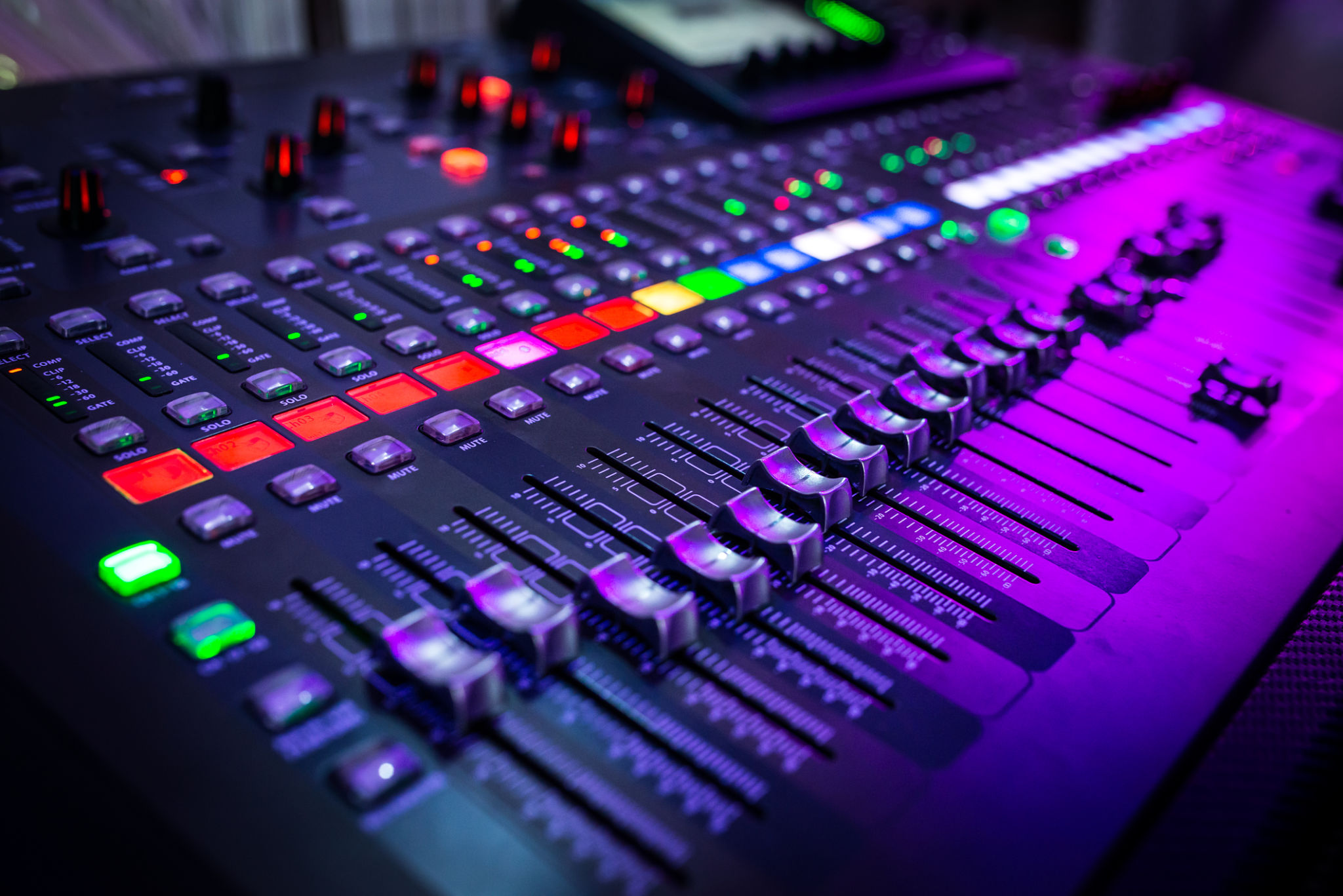
Mixing and mastering are essential steps in finalizing your Afrohouse track. Focus on achieving a balanced mix where each element has its space in the frequency spectrum. Use EQ, compression, and panning to fine-tune your mix.
During mastering, aim to enhance the track’s overall loudness and clarity. Mastering plugins like iZotope Ozone can be helpful in achieving a professional sound.
Final Tips
Producing Afrohouse music is a creative journey that involves experimentation and practice. Listen to a wide range of Afrohouse tracks to understand different styles and techniques. Collaborate with other producers and musicians to gain new perspectives and insights.
Remember, the most important aspect is to enjoy the process and let your passion for the music guide your creativity.